If you are interested in pursuing a career as a meteorologist or have a strong interest in weather and climate and their impact on human lives, our major in meteorology and climatology is right for you.
Ball State University offers a bachelor of arts or bachelor of science in meteorology and climatology through the School of Earth, Atmosphere, and Sustainability in the College of Sciences and Humanities.
Why choose a meteorology and climatology degree?
- Real-time forecasting: Produce real-time weather information through the Cardinal Weather Service.
- Forecasting technology: Study radar, satellite observations, automated weather data, geographic information systems, and numerical weather prediction.
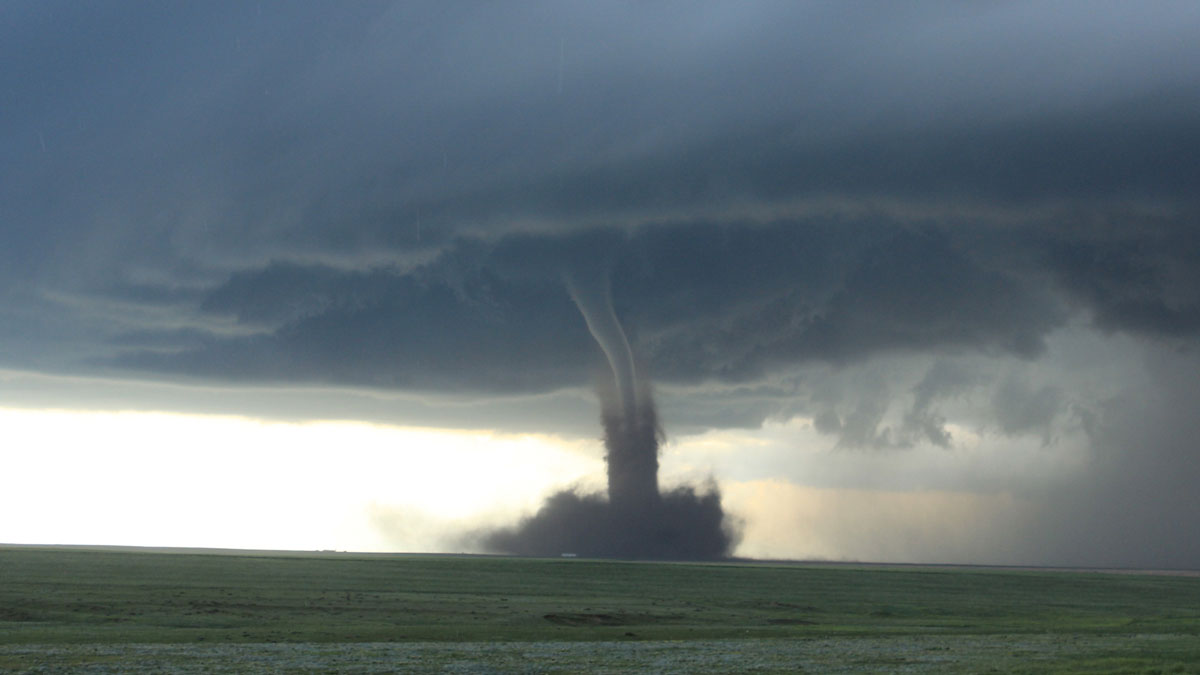
- Storm chasing and observation: Eligible students may take an elective field course focused on severe local storms and forecasting on the Great Plains.
- Broadcast opportunities: Study broadcast meteorology and pursue experience through student media. Opportunities such as your own spot on student-run TV station Cardinal-Vision 57 or an opportunity to work with east-central Indiana news show NewsLink Indiana.
- Meteorology laboratory: Use meteorological and climatological data and historical weather records to do research in the lab.
What you'll study as a meteorology and climatology major
This meteorology program meets the American Meteorological Society (AMS) formal qualifications for the job title "meteorologist" and the Federal Civil Service requirements for employment by the National Weather Service.
Coursework may include:
- weather analysis
- global climatology
- physical meteorology
- satellite, radar, and forecasting
- thermodynamic meteorology
- synoptic meteorology
- geographic information systems and technology
- spatial analysis
Students also select approved advanced coursework in geographic techniques, meteorology and climatology, and science.
For specific coursework requirements visit the course catalog or speak with an academic advisor.
View Meteorology and Climatology Courses
What career options are available for meteorology and climatology Students?
Depending on the coursework, experience, location, and additional qualifications, graduates may pursue roles such as:
- meteorologist
- weather forecaster
- forecasting assistant
- climate data analyst
- broadcast weather producer
- geographic information systems technician
- environmental data analyst
- emergency-management weather specialist
- private-sector weather analyst
- research assistant
- Geostationary Operational Environmental Satellite data analyst
Advanced positions and professional designations may require additional
education, experience, examinations, or licensure. This list is not
comprehensive, if you don't see your preferred profession in this list
speak with a faculty member or an academic advisor about career
opportunities.
Graduate Study
The degree can provide preparation for graduate study in meteorology, atmospheric science, climatology, geographic information science, environmental science, or related areas.
We also offer a graduate certificate in professional meteorology and climatology. Admission to certificate and graduate program is separate from completion of the bachelor’s degree.
Frequently Asked Questions
A meteorology and climatology degree is the study of Earth's atmosphere, weather, and climate. You'll learn how weather systems develop, how climate changes over time, and how atmospheric conditions affect people, communities, and the environment. By combining science, mathematics, and technology, you'll gain the skills to analyze weather patterns, forecast conditions, and understand long-term climate trends.
Meteorology and climatology both study Earth's atmosphere, but they focus on different time scales and questions.
Meteorology is the study of weather and the atmospheric conditions that produce it. Meteorologists analyze current weather patterns and use observations, radar, satellite data, and computer models to forecast short-term conditions such as temperature, precipitation, storms, and severe weather.
Climatology is the study of climate, or the long-term patterns and trends in weather over months, years, and decades. Climatologists examine historical data to understand climate variability, climate change, and how Earth's atmosphere interacts with oceans, land, and ecosystems.
Many degree programs combine meteorology and climatology, giving students a comprehensive understanding of both how weather develops today and how climate changes over time.
Paying for Your Education
Apply to Ball State
Admission to Ball State is selective, and we carefully evaluate all applications on an individual basis. Applying is easy. Use our convenient, comprehensive, and secure online application.
Apply Now
Take the Next Step
Are you interested in pursuing this major? The first step is to apply as an undergraduate student to Ball State University. One of the best ways to understand why Ball State stands out is to come see it for yourself. You can schedule a visit through our Office of Undergraduate Admissions. Make sure to tell them you’re interested in our program. Or if you’d like to speak with someone in our department directly by phone or email, please contact us.